
Jigs & Fixtures
Workholding for machining and assembly: machine vises, modular fixture plates, clamping kits, T-nuts, parallels, soft jaws and locating components. Workholding decides how accurate a part can be and how long each one takes to load, which makes it the highest-leverage purchase in most machine shops.
A vise ground square and parallel to within 0.02 mm lets a part be clamped, machined, turned over and machined again without re-indicating. A vise that is not costs you that time on every part, forever. The same logic applies further down: a matched pair of parallels transfers its own accuracy straight into the part, so an unmatched pair produces a tapered part no matter how good the machine is.
Dimensions here follow the standards buyers search by — DIN 508 for T-nuts by table slot width, DIN 6499 for ER collets, DIN 69871 form AD for BT tapers. We publish jaw width, maximum opening, parallelism, squareness and mounting bolt size for every vise, and slot width for every clamping component, because the wrong slot size rocks under clamping pressure and lifts the workpiece.
Lines in this category
- Machine vises
- 5-axis and self-centring vises
- Soft jaws
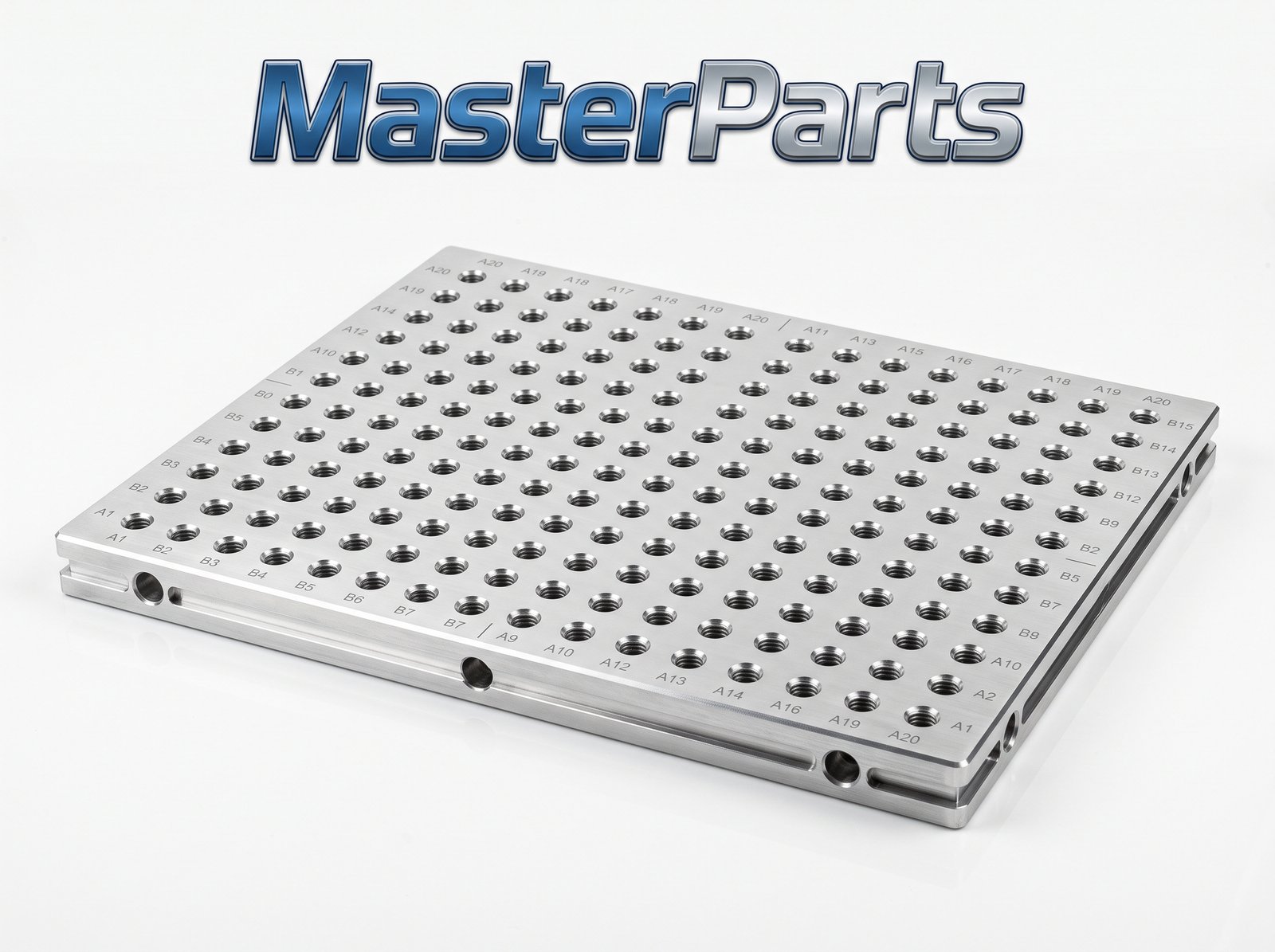
- Modular fixture plates
- Clamping kits
- T-nuts and studs
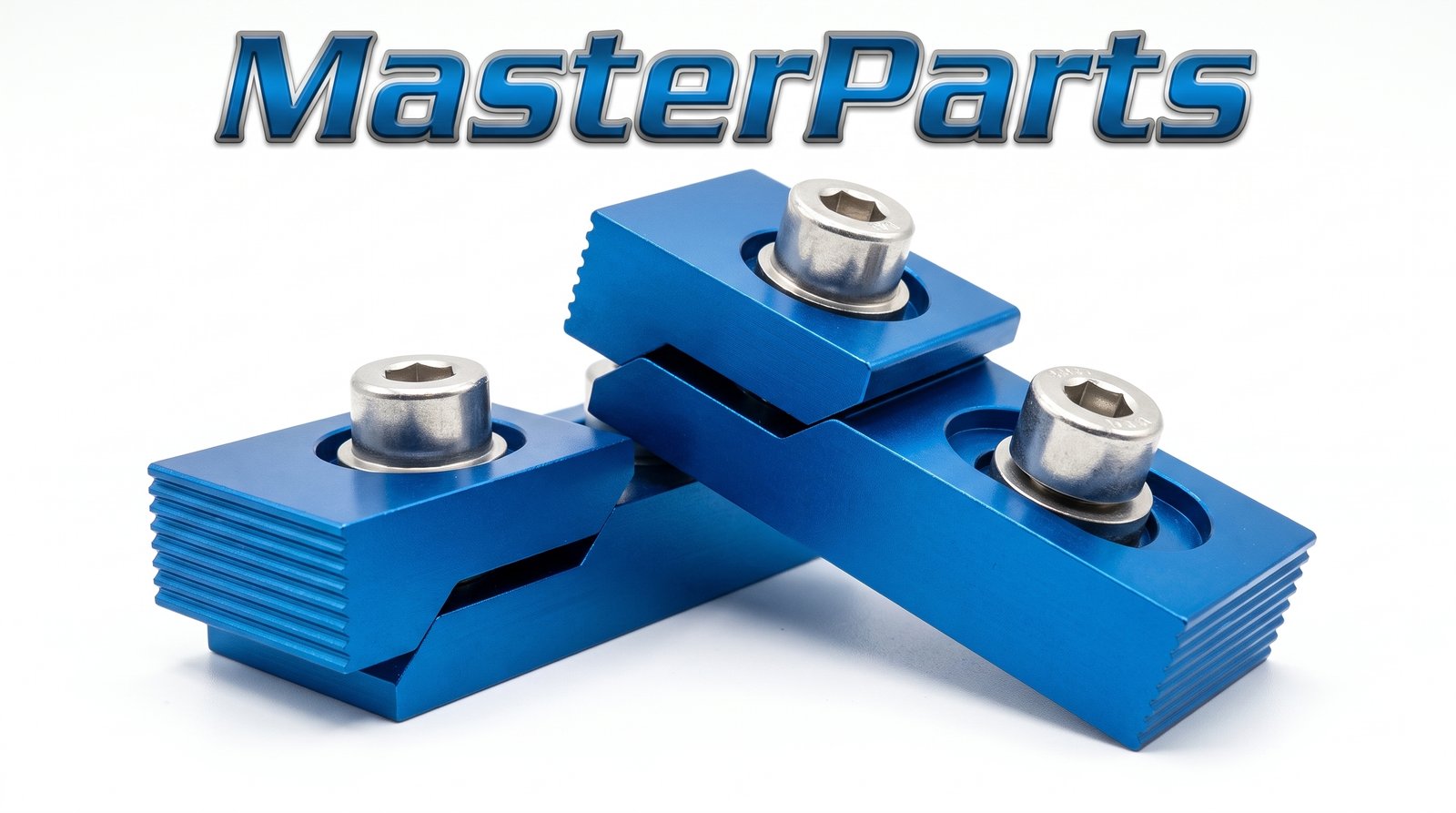
- Toe clamps
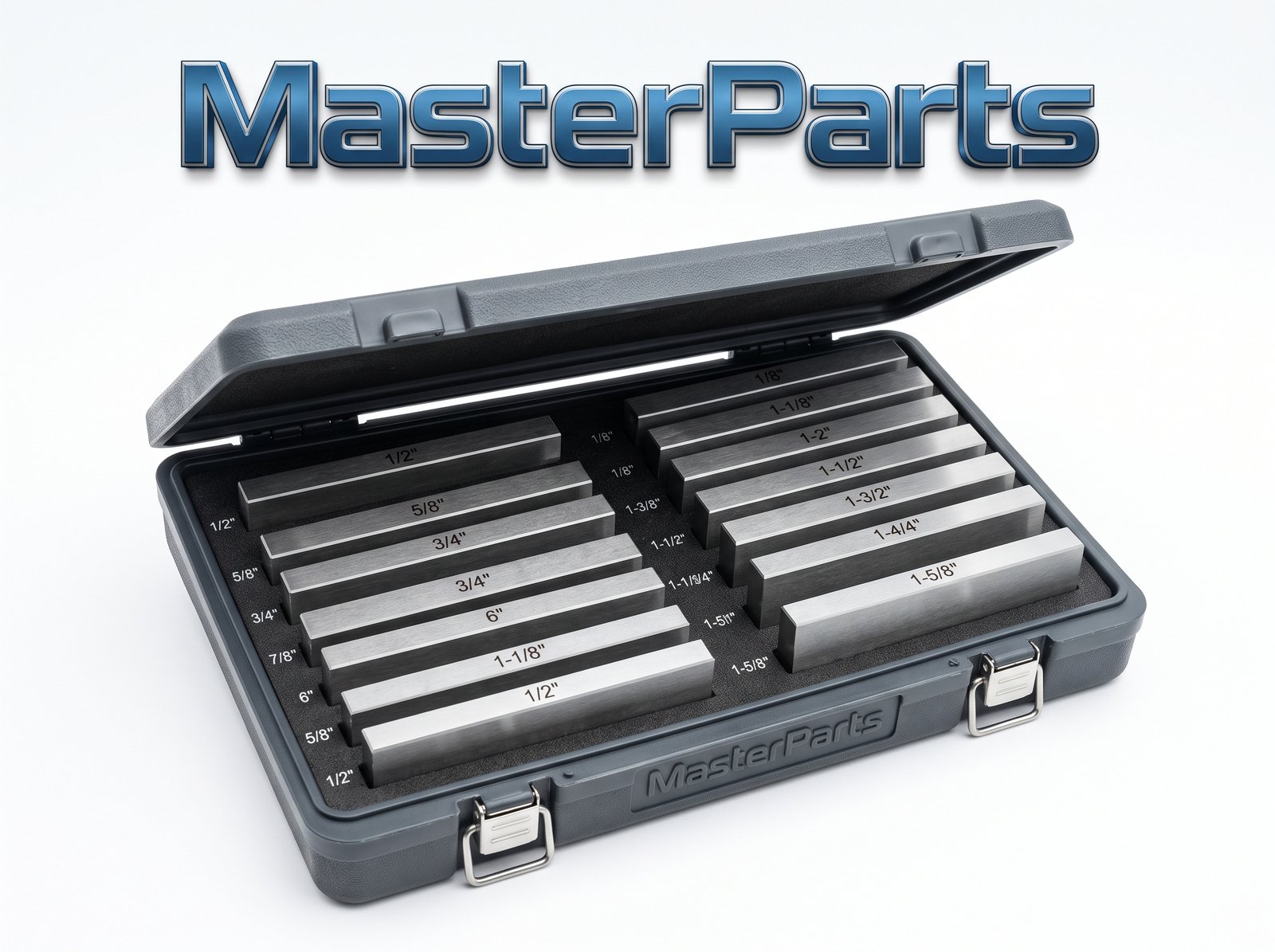
- Parallels
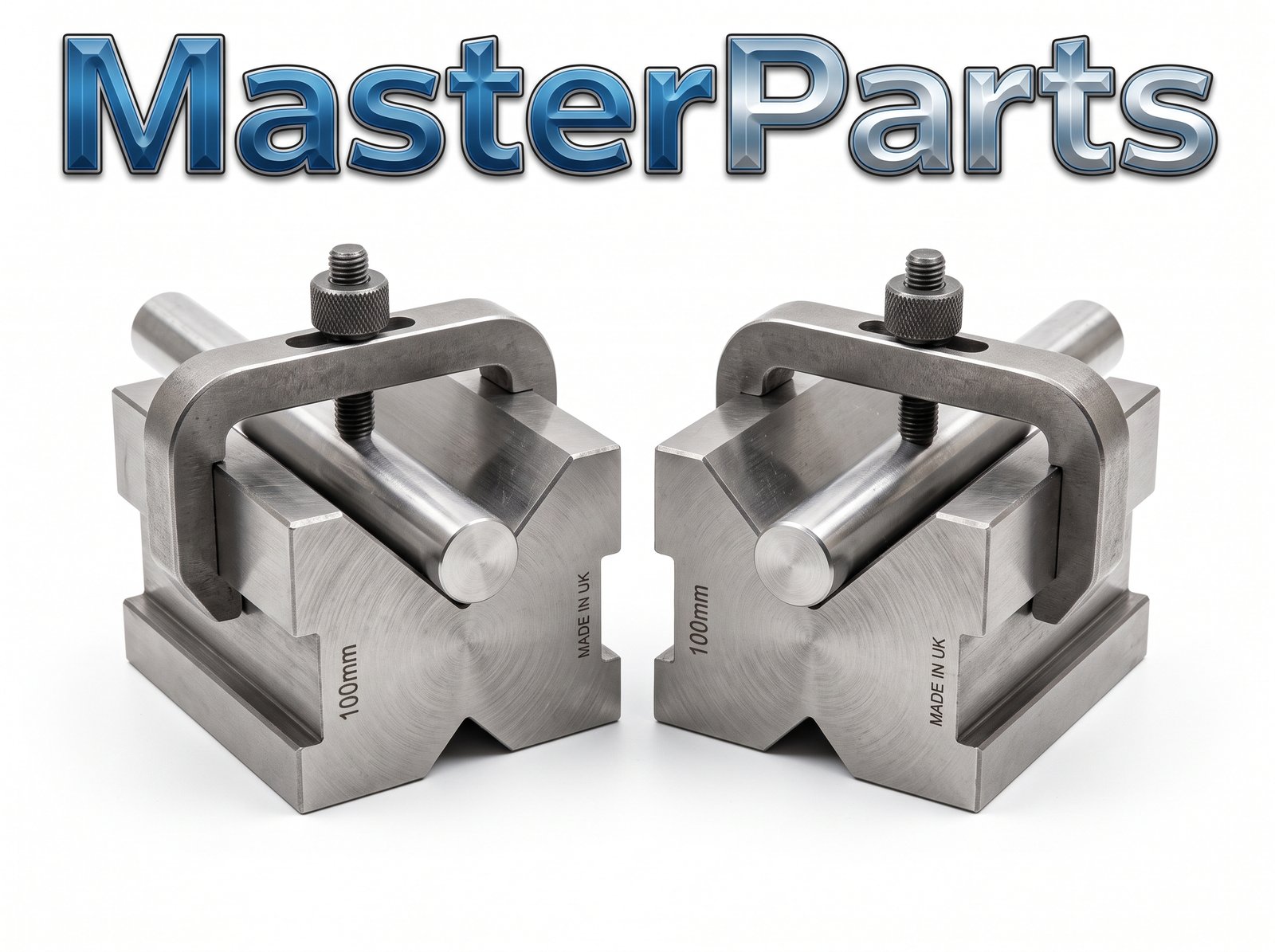
- V-blocks
- Angle plates
- Magnetic chucks
- Locating pins and bushes
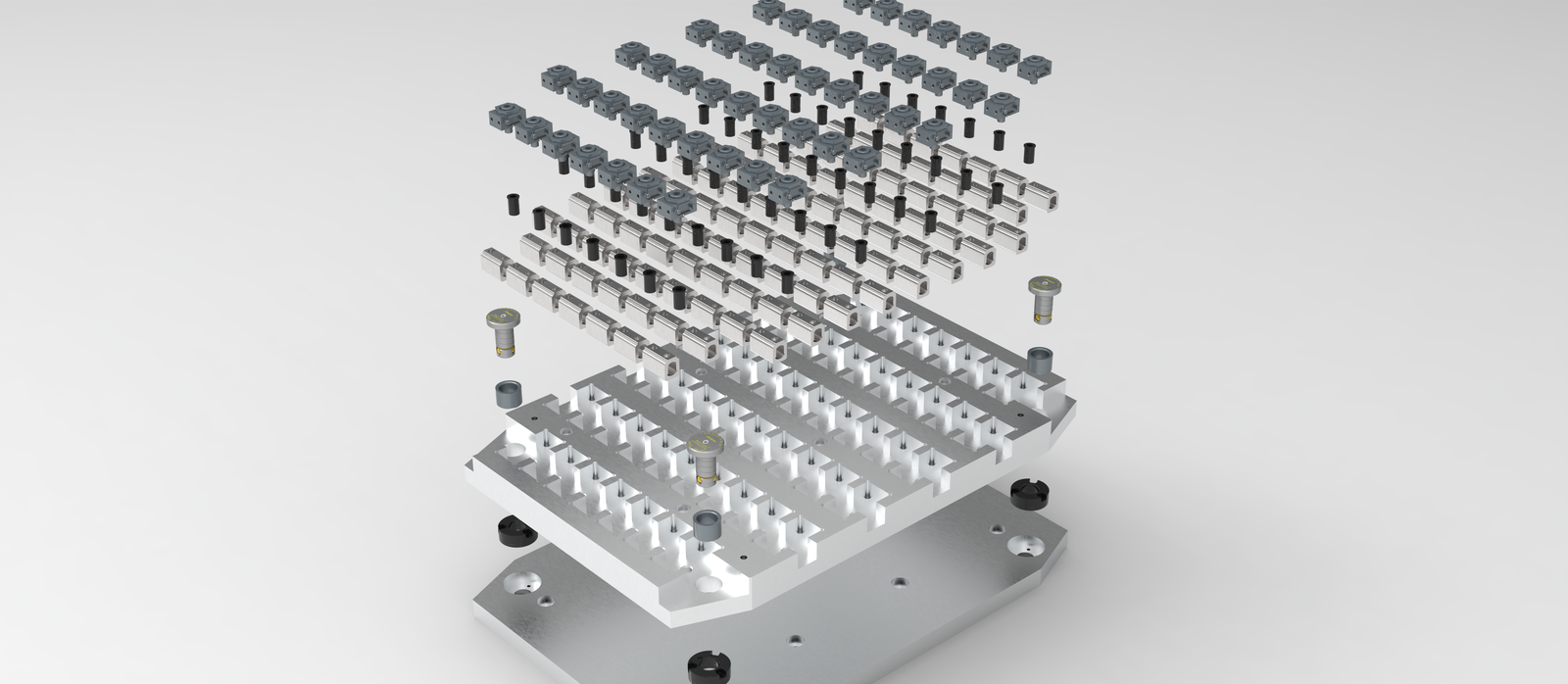
- Zero-point systems
- ER collets and collet chucks
- BT and DIN tool holders
Products

How to choose
Start from the table's T-slot size and the largest part to be held — those two numbers eliminate most of the catalogue immediately. Then repeatability: if the fixture is loaded many times a day, a system that locates the same way every time pays for itself quickly, and soft jaws bored in place on the machine that will hold the part are the cheapest form of that. Then whether the part needs access from five sides, which rules most standard vises out and points at a 5-axis vise or a fixture plate.
Frequently asked
What T-slot size do I need?
Measure the width of the slot in your machine table, not the bolt you intend to use. Common sizes are 14 mm (taking M12), 18 mm (M16) and 22 mm (M20). Match the T-nut to the slot: one that is loose will rock under clamping pressure and lift the workpiece off the parallels.
What is a zero-point system and when is it worth it?
A set of hardened receivers in the table and matching pull-studs on the fixture, so a fixture drops back into exactly the same position every time — typically within 0.005 mm. It is worth it when you change setups more than once or twice a day; below that, the indicating time it saves does not repay the cost.
Can you supply soft jaws machined to my part?
We supply them unmachined, as a pair, and recommend you cut them in place on the machine that will hold the part. That way the pocket is concentric with that machine's own spindle and repeats perfectly. Machining them elsewhere loses most of the benefit.
Do you stock magnetic chucks?
They are listed as available to order rather than held. Send the table size and whether you need permanent or electro-permanent, and we will quote with a lead time.